April 7, 2026
In the fast-paced world of commercial construction, transforming a concept from a blueprint into a completed project requires meticulous planning, technical expertise, and seamless coordination. Commercial designers play a critical role in bridging the gap between vision and reality, ensuring that each stage of the project is executed efficiently and effectively. Their expertise extends beyond aesthetics; they integrate structural, functional, and regulatory considerations to deliver cohesive, high-quality results.
From office spaces and retail centers to industrial facilities, commercial designers manage the complex interplay between architectural vision, engineering requirements, and client expectations. By anticipating challenges and proactively coordinating with stakeholders, these professionals help prevent costly delays, maintain budget integrity, and enhance the overall quality of construction. Their involvement ensures that every project reflects both creative intent and practical functionality.
According to Zippia, the U.S. construction sector employs approximately 8.2 million people, accounting for around 3% of the nation’s workforce. This statistic underscores the scale of commercial building activity and highlights the importance of skilled professionals, such as commercial designers, in driving efficient, safe, and innovative project delivery. By guiding projects from initial concept to final build, commercial designers ensure successful outcomes that meet both operational and aesthetic goals.
Defining Project Goals and Objectives Clearly
The foundation of any successful commercial project begins with clear objectives. Commercial designers work closely with clients to define priorities, identify essential requirements, and establish timelines and budgets. This early collaboration ensures that the project aligns with operational needs, regulatory standards, and the desired aesthetic. By clarifying goals upfront, commercial designers minimize misunderstandings and create a shared vision that guides subsequent stages. Detailed planning allows stakeholders to anticipate challenges, assess feasibility, and make informed decisions about materials, layouts, and structural considerations. Establishing clear objectives also supports streamlined communication between architects, engineers, and construction teams.
Developing Detailed and Accurate Design Plans
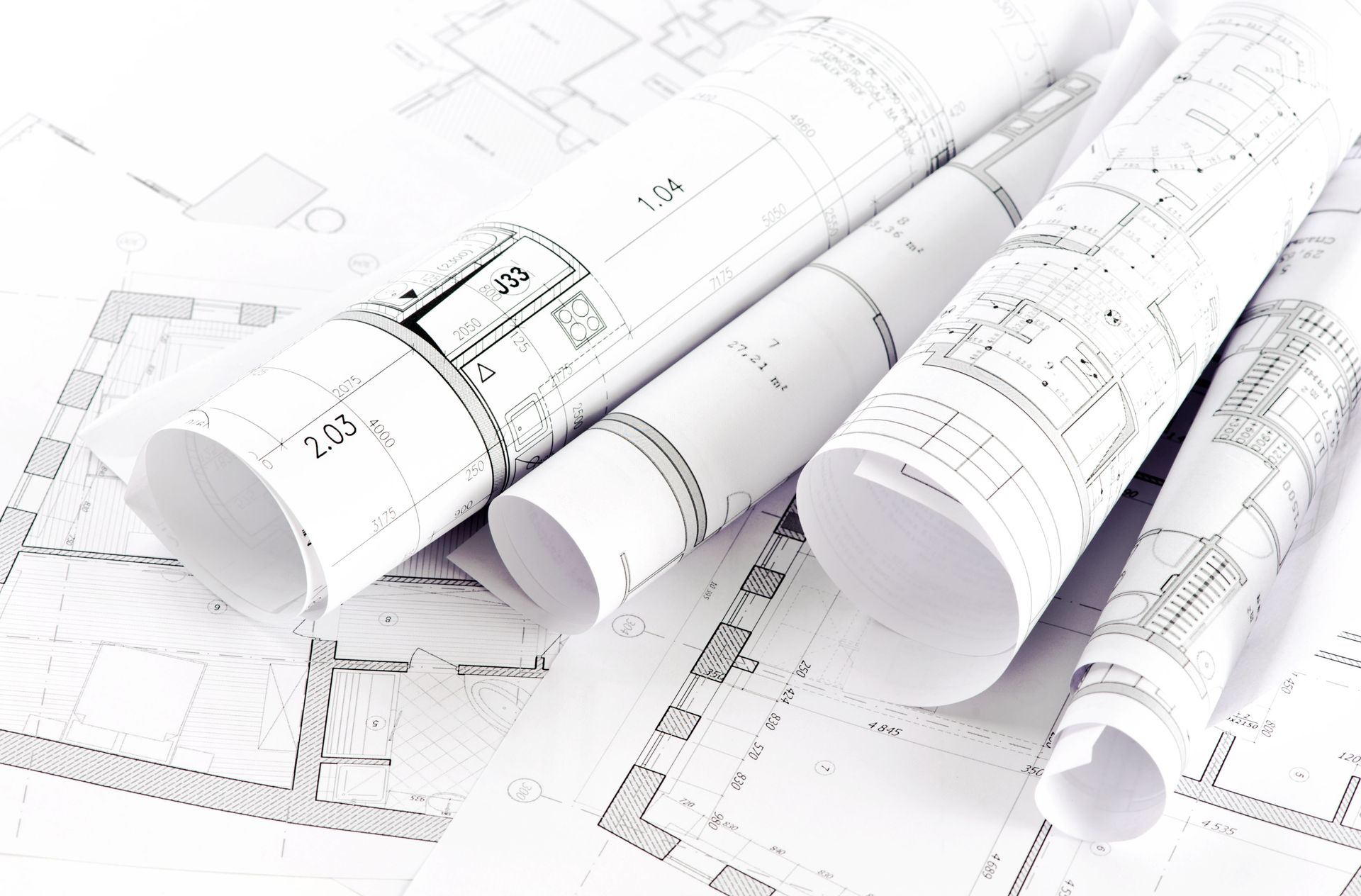
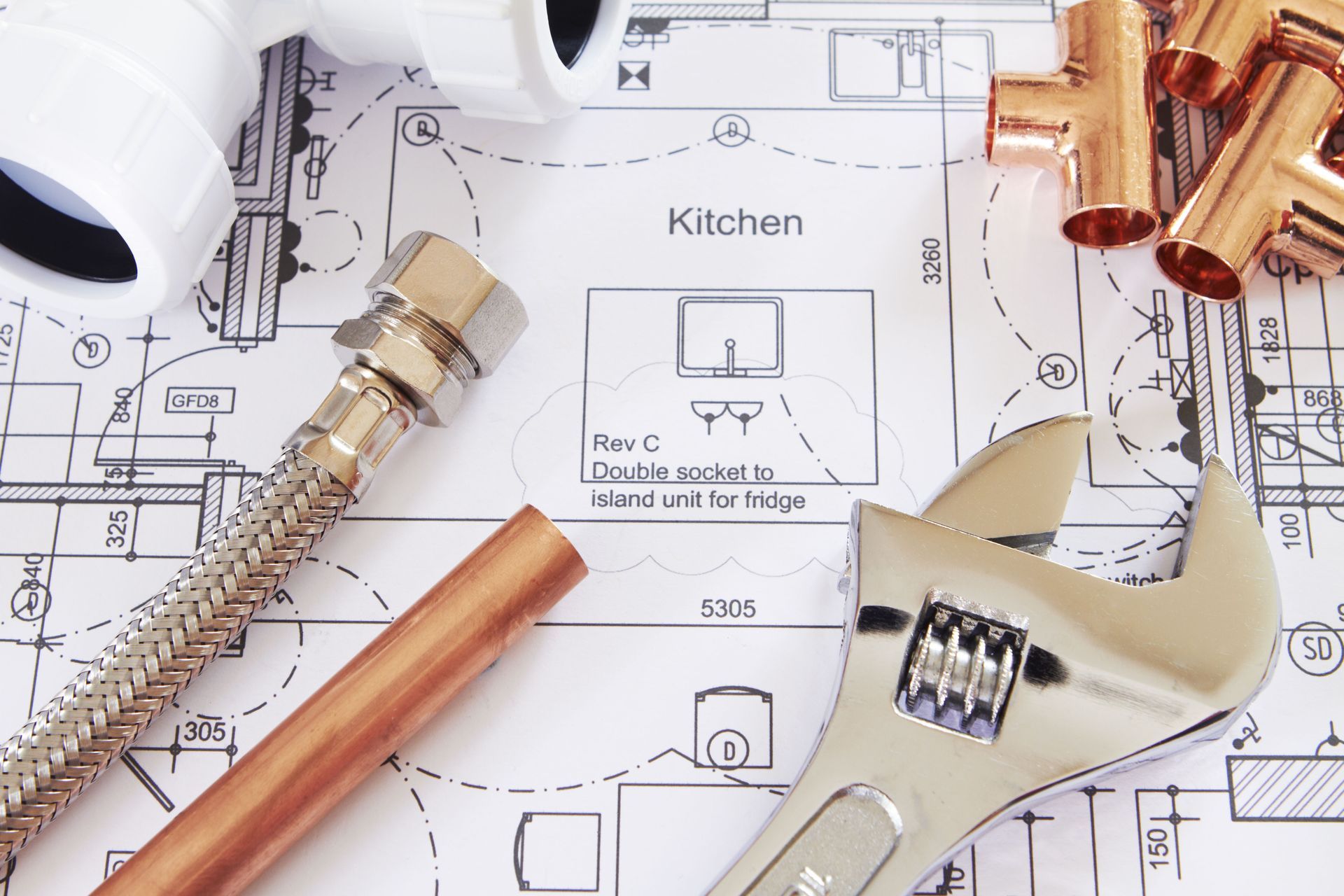
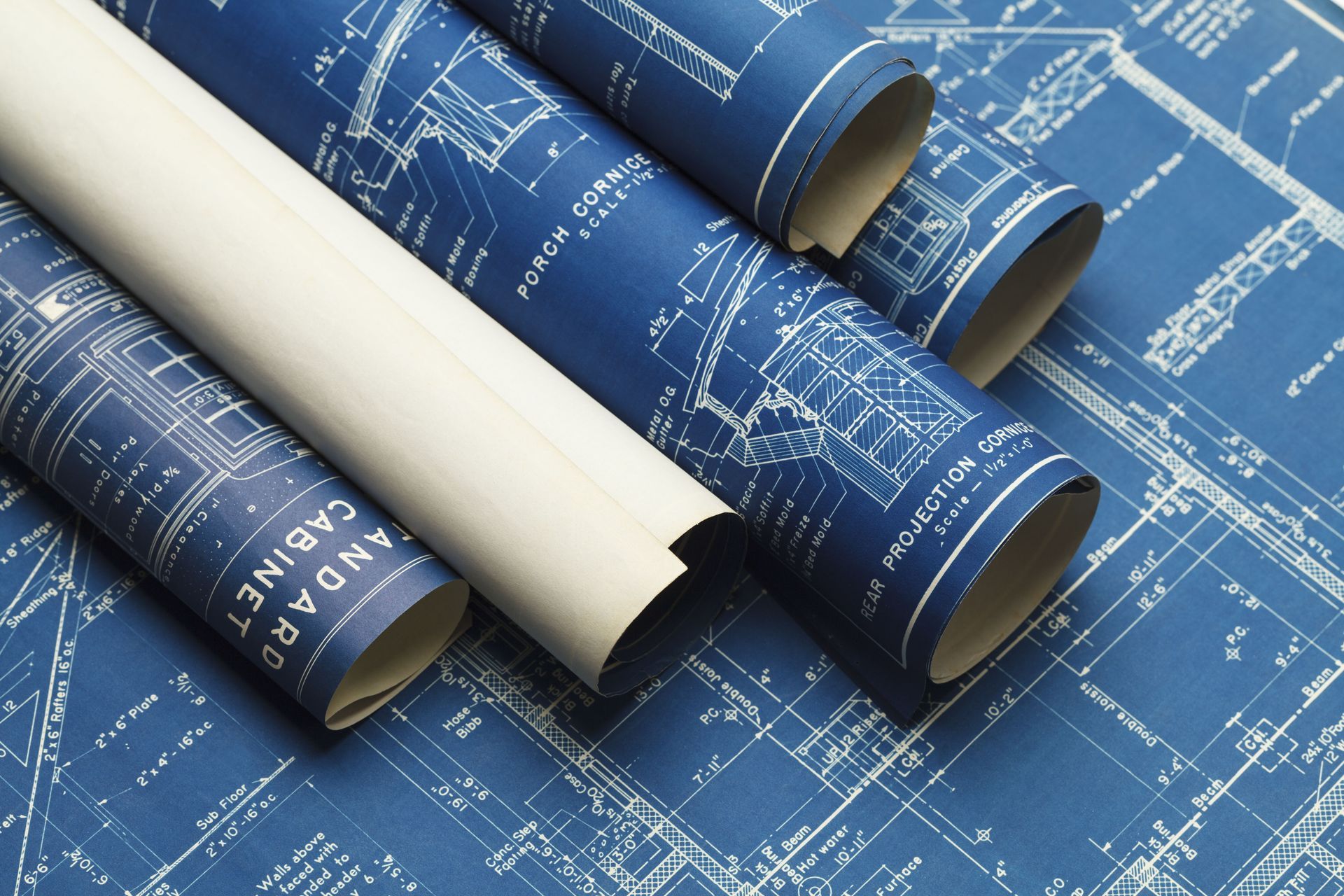
Once objectives are defined, commercial designers create detailed architectural and engineering plans. These designs incorporate functional layouts, structural integrity, electrical and mechanical systems, and regulatory compliance. Precise drawings and specifications provide a roadmap for contractors, subcontractors, and suppliers, ensuring that every aspect of the project is executed correctly. Accurate design plans also reduce the risk of costly modifications or delays during construction. Commercial designers apply industry best practices and leverage advanced design tools to model project outcomes, identify potential conflicts, and optimize resource allocation. By doing so, they maintain project efficiency and support timely completion.
Selecting Materials and Systems Strategically
Material selection is a critical element of commercial construction that affects durability, functionality, and aesthetics. Commercial designers evaluate options based on performance, cost, sustainability, and long-term maintenance requirements. By making informed recommendations, they help clients achieve a balance between design vision and practical considerations. Thoughtful selection of materials and systems also contributes to energy efficiency, environmental compliance, and operational sustainability. Commercial designers ensure that choices meet local building codes while providing optimal performance. Their expertise minimizes the risk of future repairs or replacements, protecting the investment over the building’s lifecycle.
Ensuring Regulatory Compliance and Safety Standards
Construction projects must adhere to strict codes and regulations to ensure safety, accessibility, and environmental responsibility. Commercial designers integrate compliance considerations into every stage of the design process, addressing structural requirements, fire safety, accessibility standards, and environmental guidelines. By anticipating regulatory needs, commercial designers help prevent costly violations or construction delays. Their expertise ensures that all design elements meet legal and safety requirements, supporting the long-term viability and security of the completed structure. Professional oversight reduces risk and enhances confidence in project outcomes.
Managing Budgets and Controlling Costs
Financial oversight is a core responsibility of commercial designers. They monitor project budgets, evaluate cost-effective solutions, and identify potential savings without compromising quality. Detailed planning and careful resource allocation help ensure that projects remain financially viable from start to finish. By tracking expenses, comparing supplier quotes, and coordinating with contractors, commercial designers minimize unexpected costs and support efficient use of funds. Their involvement provides transparency, allowing clients to make informed decisions and maintain confidence in project delivery.
Overseeing Construction and Quality Assurance
During construction, commercial designers continue to play an active role by monitoring progress, addressing challenges, and verifying adherence to design specifications. They conduct regular site visits, review contractor performance, and ensure that quality standards are met at every stage. This oversight reduces the risk of errors, structural defects, or inconsistencies that could impact functionality or aesthetics. Commercial designers maintain accountability and provide a structured approach to project management, ensuring that the completed build aligns with the original vision.
Integrating Technology and Innovation
Modern commercial construction increasingly relies on technology to optimize design, efficiency, and performance. Commercial designers utilize digital modeling, building information modeling (BIM), and other tools to simulate construction processes, identify potential conflicts, and enhance collaboration. Integrating innovative solutions allows for precise planning, reduces waste, and improves workflow efficiency. Commercial designers leverage technology to anticipate challenges before they occur, facilitating smoother execution and reducing delays. This approach enhances both operational and visual outcomes while promoting innovation in the built environment.
Enhancing Sustainability and Environmental Responsibility
Sustainable design practices are increasingly important in commercial construction. Commercial designers incorporate eco-friendly materials, energy-efficient systems, and sustainable layouts to reduce environmental impact. By prioritizing green building practices, they support operational efficiency, reduce long-term costs, and align projects with modern environmental standards. Sustainability also enhances market appeal, as clients and tenants increasingly value environmentally responsible buildings. Commercial designers provide strategies that minimize energy consumption, optimize natural lighting and ventilation, and reduce waste, contributing to healthier and more cost-effective facilities.
Facilitating Timely Project Delivery
Meeting project deadlines is crucial in commercial construction to avoid financial penalties, operational disruption, and client dissatisfaction. Commercial designers create detailed timelines, coordinate milestones, and proactively address potential delays. Their ability to anticipate challenges and implement solutions ensures that projects remain on schedule. By managing schedules efficiently, commercial designers help construction teams maintain momentum and complete tasks in the intended sequence. This proactive oversight minimizes downtime and supports a seamless transition from design to completion. Timely delivery enhances client satisfaction and reinforces the value of professional expertise.
Supporting Post-Construction Evaluation and Adjustments
The role of commercial designers extends beyond project completion. They assess the finished build to ensure that it meets design expectations, operational needs, and quality standards. Post-construction evaluation identifies minor adjustments or improvements that enhance functionality, comfort, and performance. Professional assessment ensures that the project delivers long-term value, meets client objectives, and supports ongoing operational efficiency. Commercial designers provide guidance on modifications or upgrades, helping clients maintain the building’s functionality and aesthetic appeal over time.
Fostering Long-Term Partnerships and Trust
Establishing a reliable relationship with commercial designers benefits clients beyond a single project. Long-term partnerships offer continuity, institutional knowledge, and ongoing support for future projects or expansions. Trust and collaboration enhance communication, reduce risk, and streamline future project planning. By working with experienced professionals, clients gain access to expertise that supports both immediate and strategic construction needs. Commercial designers provide consistent guidance, ensuring that each project reflects quality, efficiency, and adherence to client goals. This professional relationship becomes a valuable resource for future development initiatives.
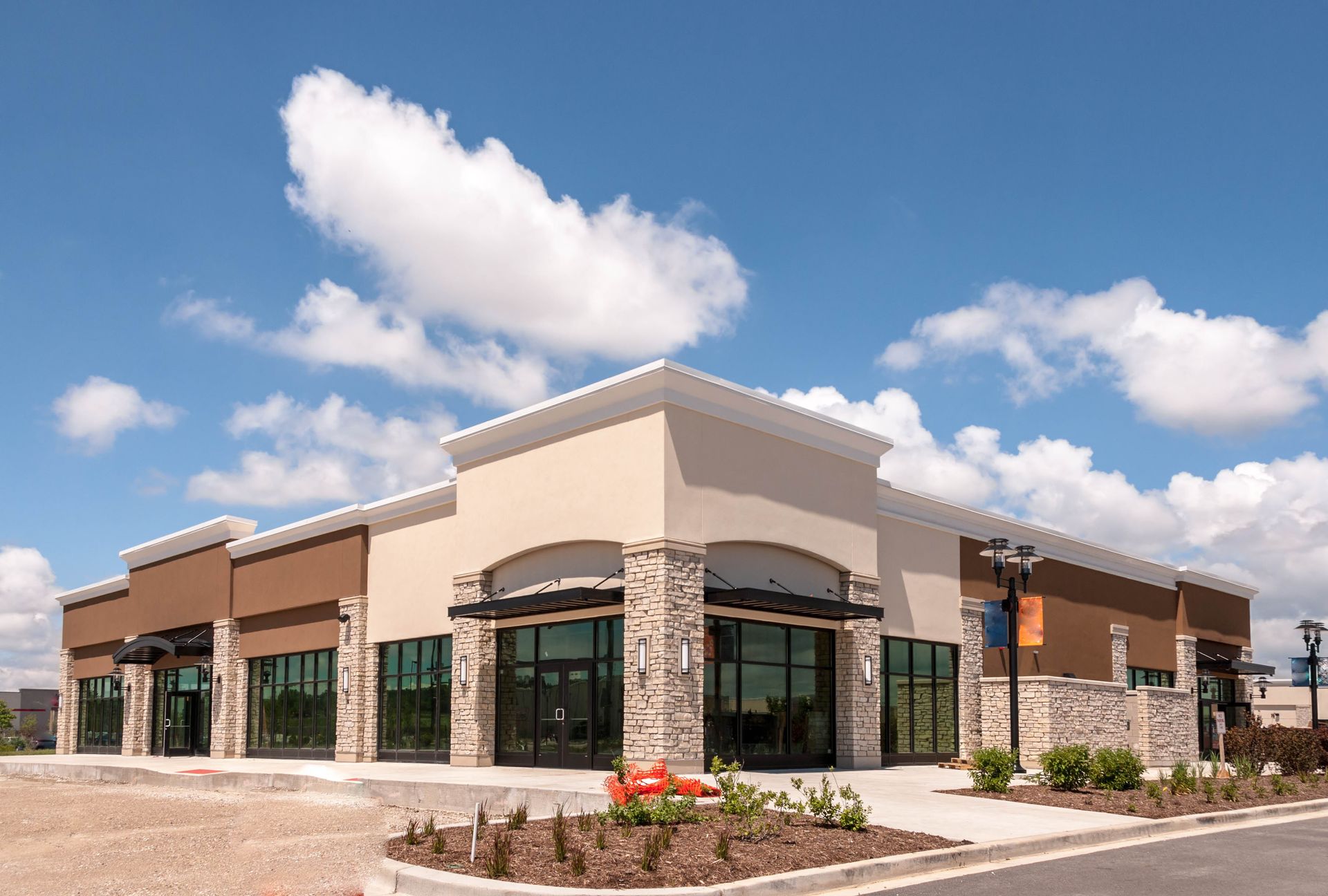
Commercial designers are essential to transforming conceptual plans into functional, visually appealing, and compliant structures. Their expertise in design, coordination, materials, technology, and sustainability ensures that projects are completed efficiently, on budget, and to the highest quality standards. By collaborating with skilled
commercial designers, businesses can achieve seamless project delivery while mitigating risk and maximizing long-term value. For businesses seeking professional guidance in commercial construction, Union Corner Construction offers expert services tailored to your project’s unique needs. Contact Union Corner Construction today to work with experienced commercial designers who drive seamless project delivery from blueprint to build.